
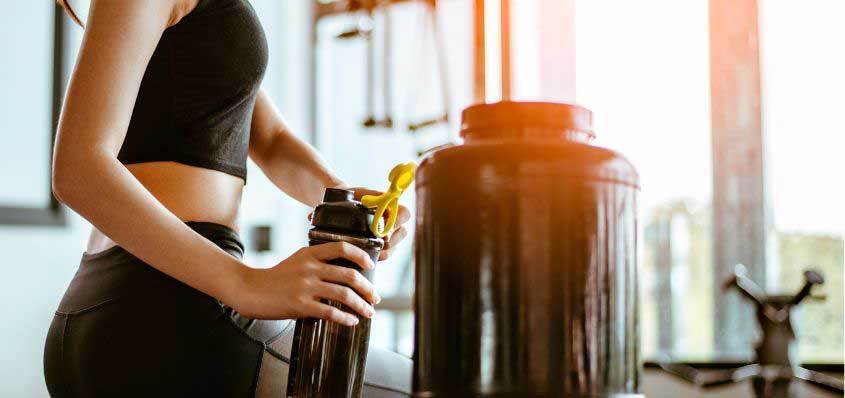
Let’s talk about soreness.
Here’s something nobody warned me about: I never used to get really sore from working out. I could train hard, push myself, and bounce back just fine the next day.
Then I hit late perimenopause.
Suddenly, I was hobbling down stairs after leg day. My arms felt like concrete after upper body sessions. The kind of soreness that lingers for DAYS. Workouts that never used to faze me were now leaving me wrecked.
At first, I thought I was just getting older. That this was the inevitable decline everyone talks about.
But that wasn’t the full picture.
What I came to understand is that declining estrogen directly impacts muscle recovery. When your hormones tank, your body loses its ability to repair and rebuild efficiently. The inflammation response changes. Recovery slows down dramatically.
This wasn’t just “getting older.” This was hormonal.
Once I understood that connection, I started researching what could help—beyond just getting my hormones optimized (which was foundational). That’s when I discovered two supplements that genuinely transformed my recovery: creatine and rhodiola.
But before I dive in, I need to share some important caveats. Because supplements aren’t magic pills, and the truth is more nuanced than any influencer will tell you.
⚠️ IMPORTANT DISCLAIMER ⚠️
Always check with your pharmacist if you’re on any medications, and talk to your doctor before trying ANY supplements to make sure there are no interactions. What I’m sharing is what worked for ME in my specific situation. Your mileage may vary.
Now, here’s something most wellness accounts won’t tell you:
If you’re a woman in late perimenopause, herbs and supplements will not fix your hormones.
I know. It’s not what we want to hear. But it’s the truth.
When your hormones start to fluctuate wildly—and especially when you start having hormone deficiencies—adaptogens and supplements can help modulate your stress response. They can take the edge off. But they are NOT going to save you in late perimenopause.
This is why I highly recommend finding a doctor trained in how to test, dose, and optimize bioidentical hormones if you’re dealing with issues like low bone mass, sleep disruption, extreme weight gain, suddenly becoming prediabetic (like I did), hair loss, and all the other crazy perimenopausal symptoms we experience.
Supplements might have worked beautifully when you were in your 20s and even 30s, when you still had hormone levels in place. But as we get closer to menopause, those hormones drop drastically—and that’s what causes most of the symptoms. Herbs alone aren’t going to fix that.
One more thing before we get to the supplements:
If you haven’t cleaned up your diet—eating organic, plenty of cruciferous and leafy greens, high quality protein, and quality carbohydrates in vegetable form like sweet potato—these supplements probably won’t work well for you either.
You need to understand how your blood sugar works. You need the foundation in place.
I’ll be doing another video on nutrition and diet later because it deserves its own deep dive.
Now. Let’s talk about what HAS helped me recover faster between workouts.
CREATINE: Not Just for Bodybuilders
When most people think of creatine, they picture bulky guys at the gym chugging protein shakes. But here’s what the research actually shows: creatine is one of the most well-studied, safest supplements available—and it offers incredible benefits for women, especially during perimenopause and menopause.
What is creatine? It’s a naturally occurring compound your body makes from amino acids. It’s also found in red meat and fish. Your muscles store it as phosphocreatine, which helps regenerate ATP—the energy currency of your cells.
Think of it as your body’s rapid energy reserve for when you need quick bursts of power, like during a heavy lift or a sprint.
Why creatine matters for women in midlife:
Here’s what blew my mind: as estrogen, progesterone, and testosterone decline during perimenopause, our bodies become less efficient at producing and using creatine. The hormonal fluctuations actually affect creatine metabolism.
So just when we need it most—when our muscles are struggling to recover, when we’re losing muscle mass, when everything feels harder—our bodies are making less of what we need.
This explains SO much about why I suddenly started getting so sore.
Research shows creatine can help with:
🔹 Muscle recovery and soreness. This is what got my attention. Creatine draws water into muscle cells, keeping them hydrated and ready to move. It supports faster recovery so you’re not hobbling around for days after a workout. When estrogen drops, muscles become stiffer and post-exercise soreness increases. Creatine helps counteract this.
🔹 Building and maintaining muscle mass. Women lose 3-5% of muscle mass per decade starting in our 30s, and that accelerates after menopause. When combined with resistance training, creatine helps counteract this age-related muscle loss.
🔹 Bone health. Studies show creatine combined with resistance training can increase bone mineral density—crucial for preventing osteoporosis.
🔹 Brain function and mood. This surprised me. Creatine is neuroprotective. Research suggests it can help with brain fog, cognitive function, and even symptoms of depression—all common complaints during the menopause transition.
🔹 Energy and fatigue. Because creatine helps your cells produce more ATP, it can combat that bone-deep exhaustion so many of us experience.
How I take it:
I use 5 grams of creatine monohydrate daily. You don’t need a loading phase—smaller daily doses are just as effective over time. The key is consistency.
And here’s something important: creatine works best when combined with resistance training. It’s not enough to just take the supplement. You need to lift heavy. You need to challenge your muscles. The creatine enhances what you’re already doing—it doesn’t replace the work.
Stay hydrated! Creatine pulls water into your muscle cells, so you need to be drinking plenty of water throughout the day to optimize its effects.
RHODIOLA: The Adaptogen That Changed My Recovery Game
Rhodiola rosea has been used for centuries in traditional medicine across Russia, Scandinavia, and Asia. Vikings prized it for stamina and endurance. It’s called an “adaptogen” because it helps your body adapt to and resist various forms of stress—physical, mental, and environmental.
Here’s what the research shows about rhodiola and exercise:
🔹 Reduces fatigue and muscle damage. Studies indicate rhodiola can modulate energy stores, reduce fatigue, and decrease exercise-induced muscle damage through its antioxidant activity.
🔹 Speeds muscle recovery. When you’re sore after a workout, it’s because of microscopic tears in your muscle fibers that need time to heal and rebuild. Evidence suggests rhodiola can improve the speed at which your muscles recover—meaning you’re not sore as long and can get back to training sooner.
🔹 Improves endurance. Research shows rhodiola supplementation can prolong time-to-exhaustion and improve performance during endurance activities.
🔹 Enhances the body’s stress response. Rhodiola activates ATP synthesis in mitochondria and stimulates reparative energy processes after intense exercise. Basically, it helps your cells recover and rebuild faster.
🔹 Supports mental resilience. Exercise is a stressor on the body. Rhodiola helps your nervous system handle that stress better, reducing the perceived exertion of your workouts.
One study with recreationally active women found that combining rhodiola supplementation with resistance training improved endurance performance by up to 45% and enhanced reactive strength, especially during fatiguing activities.
How I take it:
I take rhodiola on training days, typically about 60 minutes before my workout. The research suggests doses between 200-400mg are effective for exercise performance.
If you’re in late perimenopause and struggling with recovery, weight gain, fatigue, brain fog, or any of the symptoms I’ve talked about in this series—please don’t expect supplements to fix everything.
Get your hormones tested by someone who actually knows what they’re looking for (not just a standard blood panel from your regular doctor). Address the root cause first.
THEN layer in supportive supplements like creatine and rhodiola.
The order matters.
 Enter your info to watch my explainer videos about how tarot works!