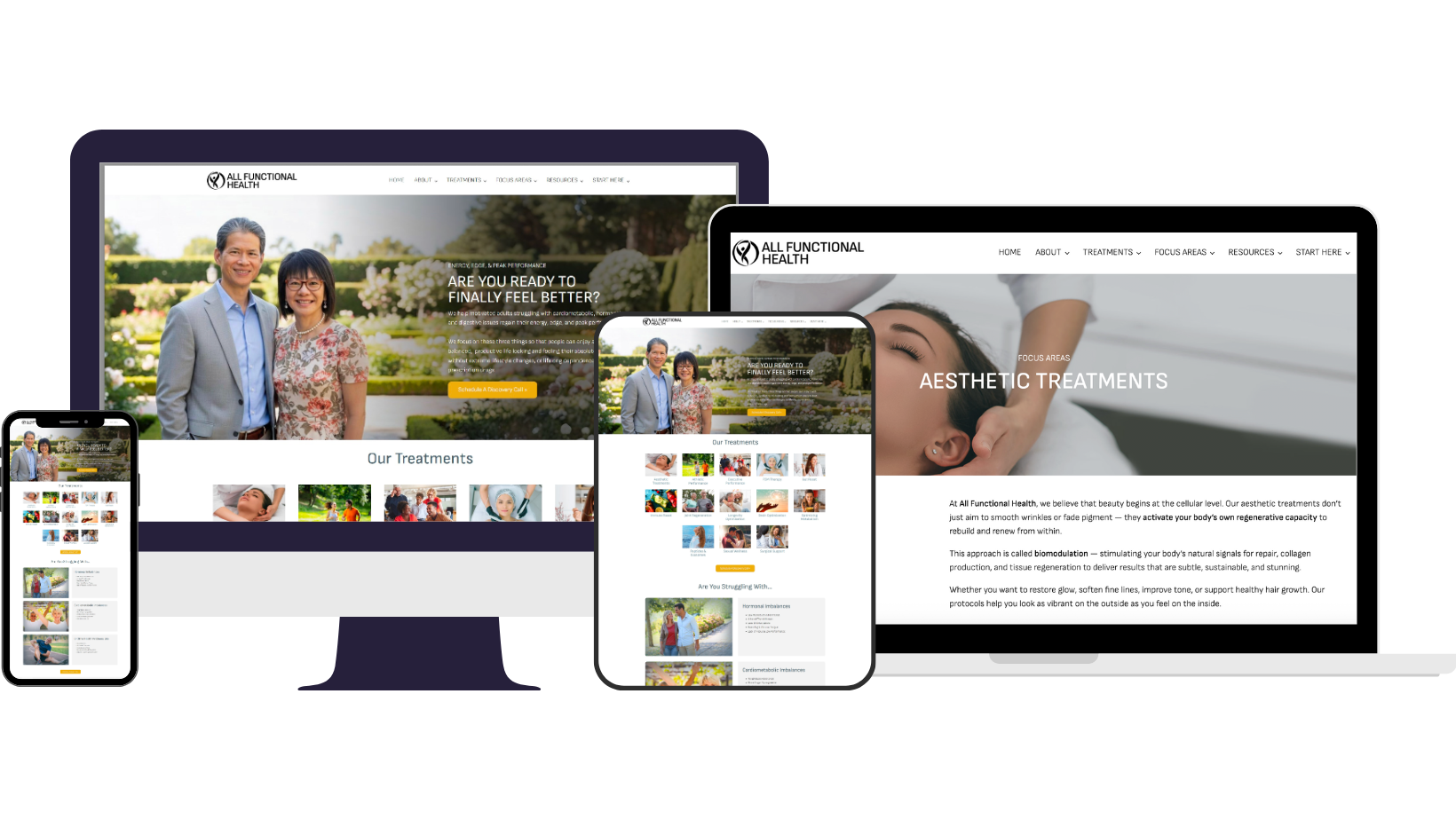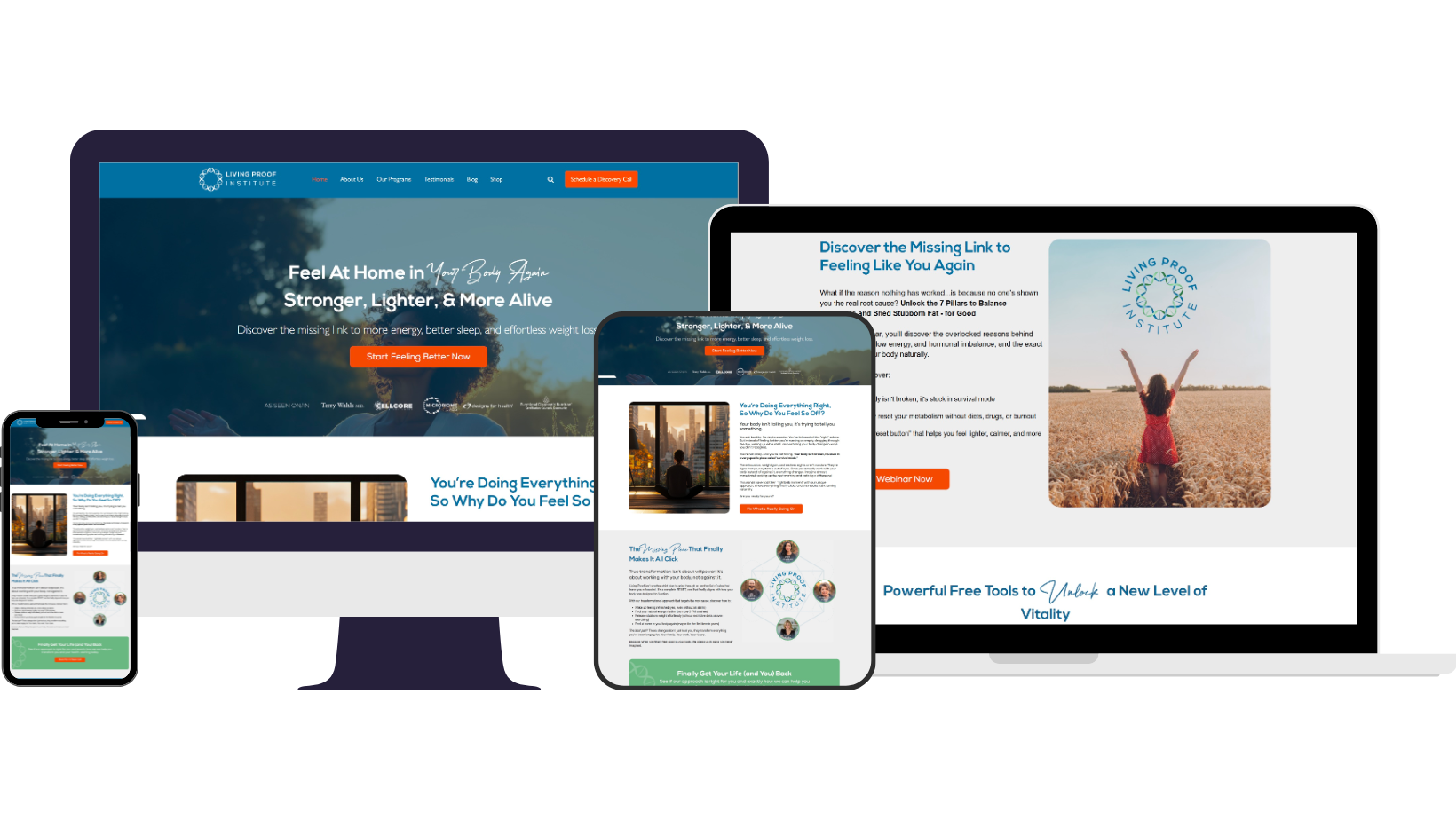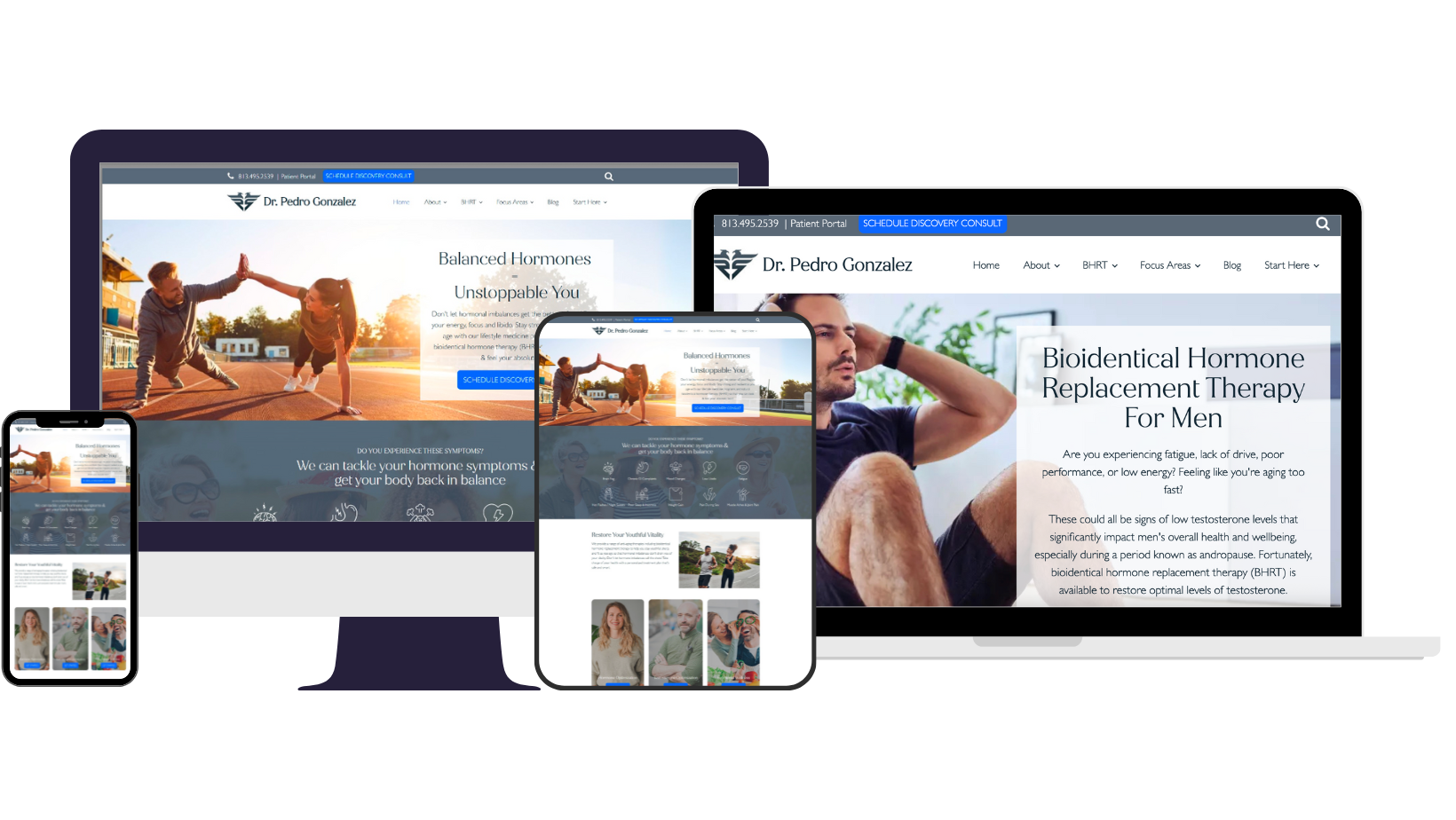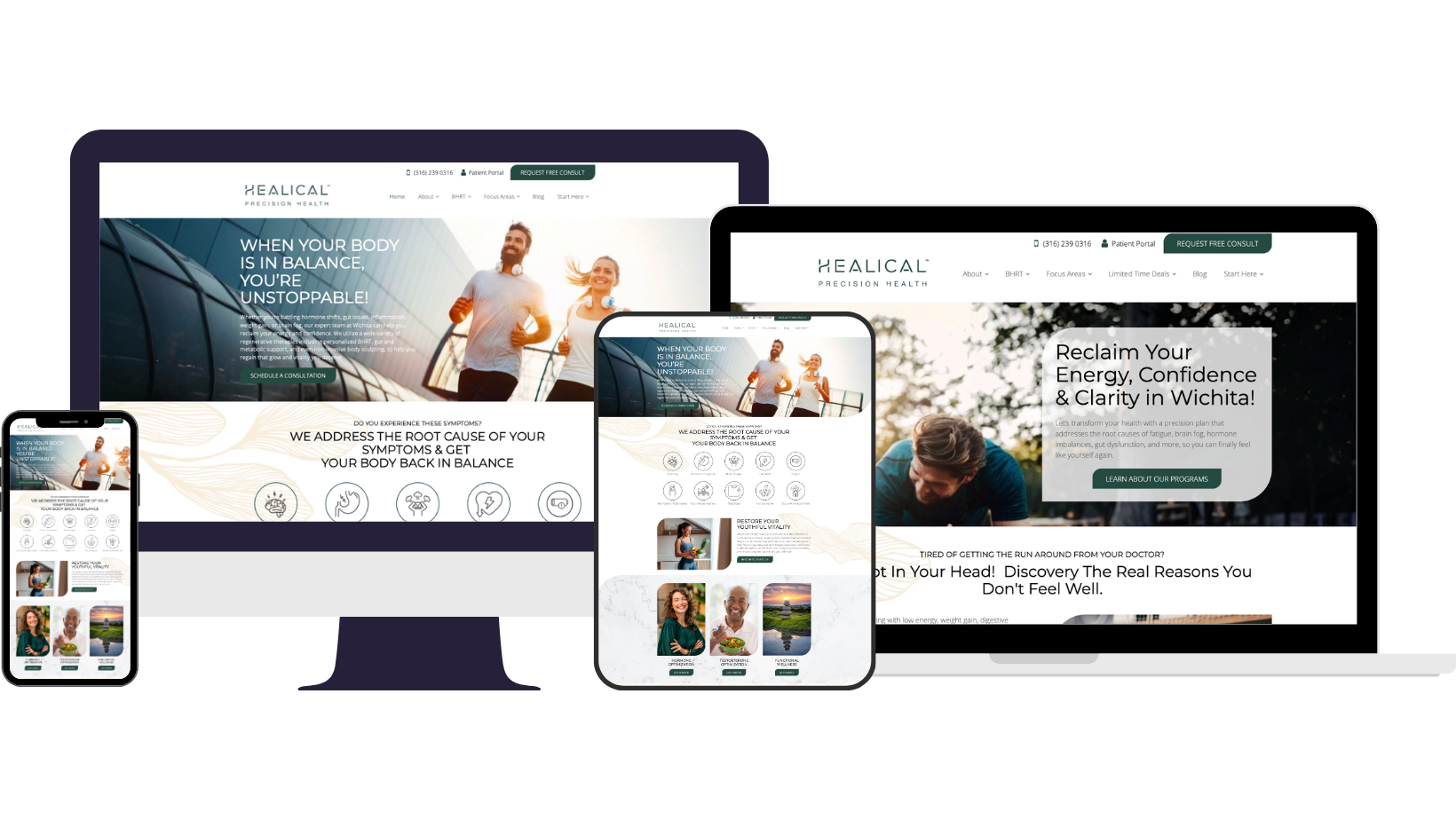
By the time someone finds a functional or integrative practitioner, they have usually spent years inside a system that offered them one model of care. Something is wrong, here is a pill. Your thyroid number falls within range, you are fine. Your fatigue is probably stress. Your weight gain is probably diet. Your joint pain is aging. Come back if it gets worse.
That model is not designed to fail people, but for a large number of chronic, complex, and lifestyle-driven conditions, it does. And the person on the receiving end usually does not understand why. They just know they do not feel well, no one has been able to explain what is happening, and they are starting to wonder whether the problem is them.

When that person encounters a practitioner who practices differently, who runs deeper labs, who looks at hormones and gut health and blood sugar and nutrient status and inflammation as a connected system, the response is not immediate trust, it's confusion. Because everything this practitioner is saying contradicts what they have been told their entire life. Why didn't my doctor test for this? Why hasn't anyone mentioned this before? Is this real medicine or is this fringe? And underneath all of it: why would I pay out of pocket for something my insurance won't cover when my doctor says I'm fine?
This is a huge education gap. It is the distance between an entire worldview about how health works and a completely different one. And it cannot be closed by a homepage and a "Book Now" button.
Closing that gap requires a body of content that lives on your website and works whether you are in the room or not. I call it nurture content because that is what it does. It meets people where they are often skeptical, overwhelmed, possibly feeling dismissed by the last provider they saw. Your content should walk them toward understanding at a pace that feels safe rather than pushy.
This is not marketing in the traditional sense, it is communication. It is the same work a great practitioner does in a first conversation, except it happens before that conversation, through written guides, short video series, and email sequences that explain what you do and why it matters in terms a real person can absorb.
A written guide might explain why standard lab panels often miss the markers that matter most for chronic fatigue, hormone imbalance, or metabolic dysfunction and what deeper testing actually looks at. A video series might walk someone through your clinical philosophy: why you start with a full history instead of a prescription, why food and lifestyle are part of the protocol, why you test before you treat. An email sequence might address the questions a prospective patient is too embarrassed to ask out loud: Is this covered by insurance? How much will this cost? Why should I pay for care my regular doctor says I don't need?
Each piece does one thing. It makes the next step feel less frightening. And together, they create an environment where someone can move from "I don't even know what functional medicine is" to "I understand this practitioner's approach, I see why this is different, and I am ready to have a real conversation about my health."

One of the hardest things for practitioners to communicate and one of the most important — is why this care costs what it costs, and why insurance often does not cover it. The conventional system reimburses what it classifies as medically necessary, which in practice means acute care, disease management, and pharmaceutical intervention. It does not reimburse the kind of investigation and support that functional and integrative medicine provides: the comprehensive labs, the extended visits, the nutrition and lifestyle protocols, the follow-up, the root-cause approach that treats the whole person rather than the isolated symptom.
That is not a flaw in the practitioner's business model. It is a structural reality of how insurance works. But to a prospective patient who has never paid out of pocket for healthcare, it feels like a barrier. And if no one explains the "why" behind the investment, compassionately, clearly, without defensiveness, they will leave before they ever learn what you could have done for them.
I write content that addresses this directly, not as a sales tactic, but as part of the education every patient needs. When someone understands that their chronic complaints have gone unresolved precisely because the system that covers them was never designed to resolve them, the investment conversation changes. It stops being "why is this so expensive" and starts being "why has no one offered me this before."

I write this content through Big Boost Marketing for practitioners across functional medicine, integrative health, hormone therapy, regenerative medicine, and longevity. Every piece is written to the practitioner's voice and clinical philosophy. I do not use templates or write generic wellness copy. I write to the specific concerns, fears, and misconceptions your prospective patients carry, because I have been your patient. My own health journey with hypothyroidism, autoimmunity, undiagnosed food intolerances lead me to work with amazing partitioners who help to turn my health around with BHRT, functional medicine testing, and regenerative therapies like IV and peptides. I understand what it is like to go through this process from the other side. I know the health topics you are trying to communicate, and the emotional reality your patients are navigating, because I have navigated it myself.
My background in health education, behavior change, and the intersection of food, hormones, metabolic health, and integrative wellness means I can write about the clinical substance of what you do without oversimplifying it or creating compliance risk. And my understanding of how people actually change, not through information alone, but through feeling seen, understood, and safe.
The goal is not to sell someone on your practice. The goal is to create the conditions where they can finally understand what has been happening in their body, see that a different kind of care exists, and feel ready to take the next step on their own terms.